
From doom to agency: A blueprint for Amazonia-centered communications

I recently contributed a section on how to communicate about the Amazon for The Endangered Amazonia report, which came out last week in Spanish, Portuguese, and English. Here’s a brief summary of my contribution.
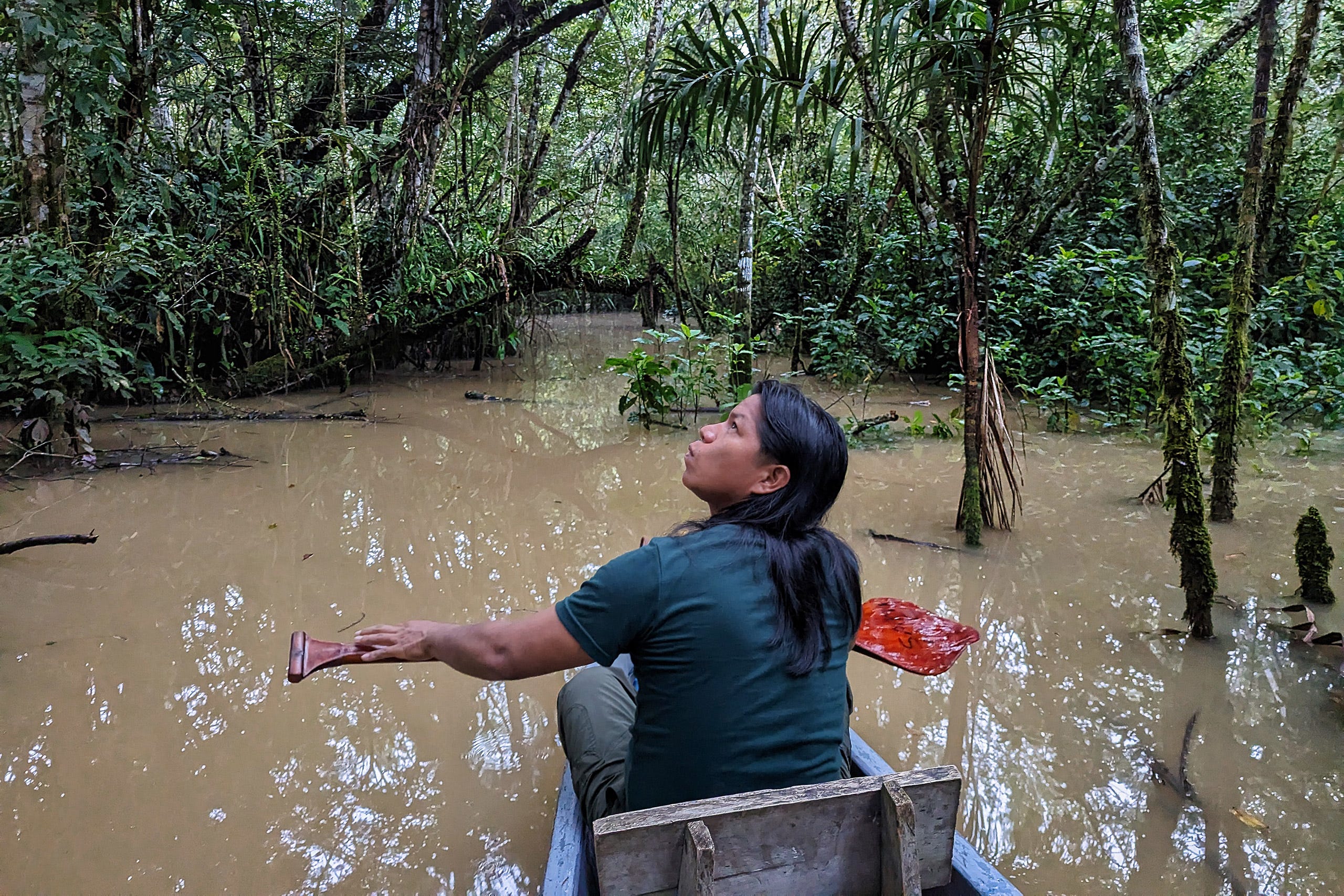
From doom to agency: Talking about saving Amazonia
Many stories about the Amazon read like elegies. Drought, smoke, lawlessness—each headline darker than the last. I’m guilty of this at times.
The problem is not that these stories exaggerate; it’s that they leave most readers stranded between grief and guilt. Doom, however accurate, can demobilize. The question is how to move the story from despair to agency.
That doesn’t mean softening the truth. It means bringing it down to a size people can grasp, where action feels plausible. One starting point can be disciplined optimism—the kind that pairs diagnosis with “how.” When an Indigenous group gains title to its land, a mayor enforces a zoning plan, or a rancher adopts integrated crop-livestock-forest systems, those are not anecdotes. They are small proofs that systems can still respond.
Communicators can help these stories spread. That means pairing solutions journalism with accountability: checking if agroforestry delivers ecological and economic benefits, if enforcement really deters land grabs, and if ‘deforestation-free’ clauses amount to more than press releases. Verified results build a kind of ledger—something funders can point to and citizens can believe in, and policymakers may not be able to ignore.
Each piece of usable information is a tool, not just a tale. A short guide that helps a mayor secure climate-aligned finance, or a community radio spot explaining how forests cool cities, reaches people where they make choices. Agency often through repetition and proof: small wins that become habits.
Despair, for all its drama, is cheap. Hope—grounded in evidence, tempered by realism—is harder work. But it tends to be the kind that keeps coalitions intact. Tell people they’re doomed and they are likely to retreat. Show them where they can help and they may join in.
The Amazon will not be saved by slogans or villains, but by numerous incremental victories carried by those who still believe change is possible because they have seen it once already.
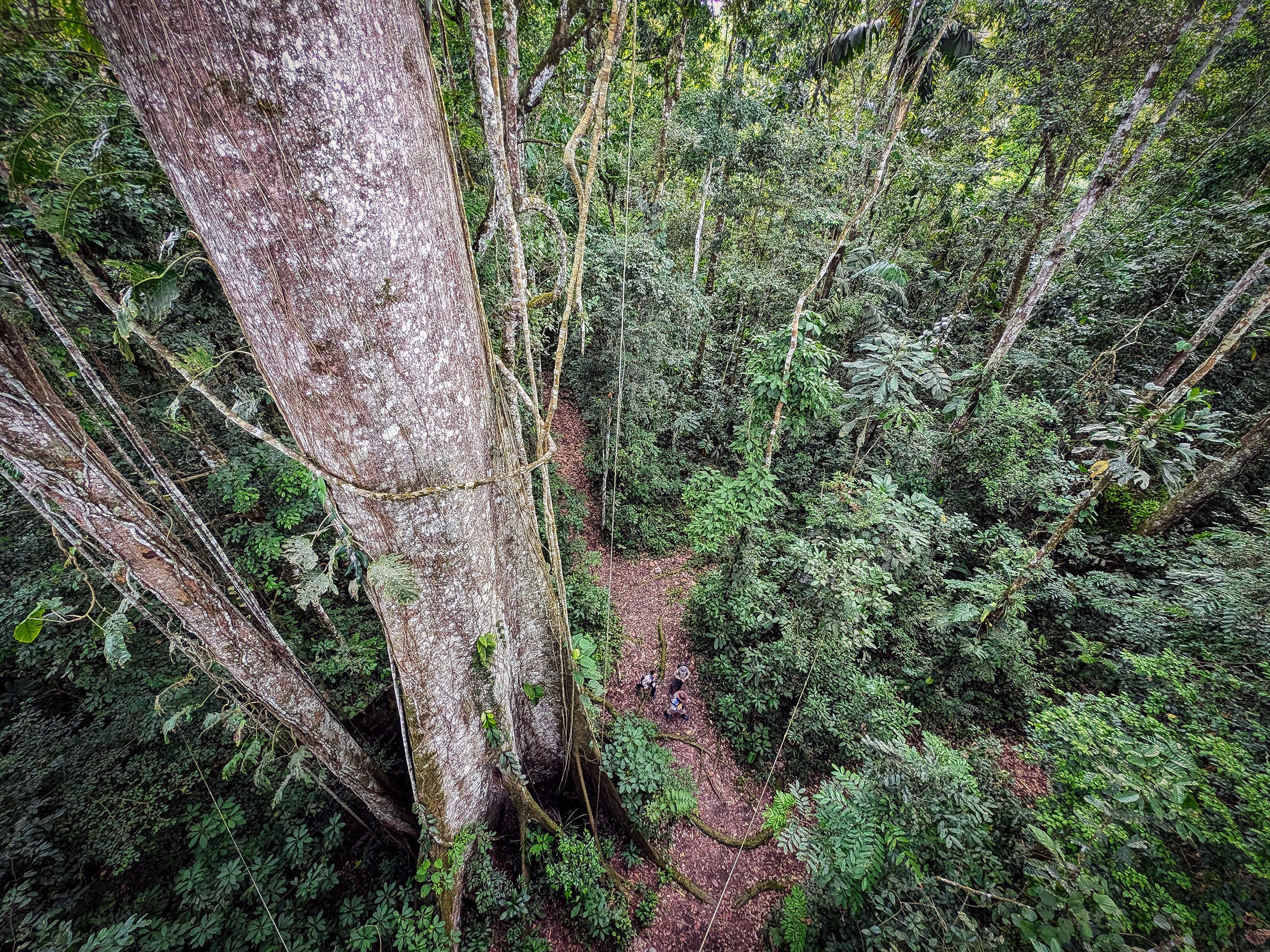
Why the messenger matters in efforts to save the Amazon
Conservationists like to think facts speak for themselves. They don’t.
In a world where allegiance often trumps evidence, who delivers the message often matters more than what’s being said. The same data, spoken by a nurse instead of a scientist, can land differently.
In Amazonia, credibility travels along social lines. Farmers listen to agronomists, not activists. Urban families may heed pediatricians warning about heat-related illness before they trust an NGO ad. Pastors, teachers, and co-op leaders often reach places journalists and policymakers cannot. Matching voice to audience isn’t a branding exercise; it’s simply being honest about how people decide what to believe.
That realism also means differentiating the message without diluting it. Indigenous leaders remain central, both as stewards and as narrators of success on their lands. Yet many who influence the forest’s future—like mayors, truckers, ranchers, and small business owners—don’t identify with Indigenous causes. Messages typically work best when they’re tailored to their audience: stewardship told as rainfall insurance for farmers, public-health policy for city dwellers, and fiscal stability for mayors who need predictable budgets. The goal isn’t to make everyone an environmentalist; it’s to make the forest relevant to each person’s daily choices.
None of this can be faked. Trust is borrowed first and earned slowly. It grows when people see that acting on information pays, as in lower bills, steadier harvests, clearer skies, or fewer fires. For communicators, the task is to equip credible messengers with verified, usable material: sermon guides, WhatsApp videos, radio spots, farm bulletins, and committee briefs. Over time, authority shifts from the messenger to the message itself.
What saves the forest, in the end, may not be a single voice but a variety—each carrying the same plain facts: e.g. protecting forest keeps rain falling; law in the Amazon means law at home; standing forest cools the air; healthy ecosystems make for healthy economies. Repetition stops being spin and starts being education. Once that logic comes from trusted voices, it no longer sounds like activism. It just sounds obvious.
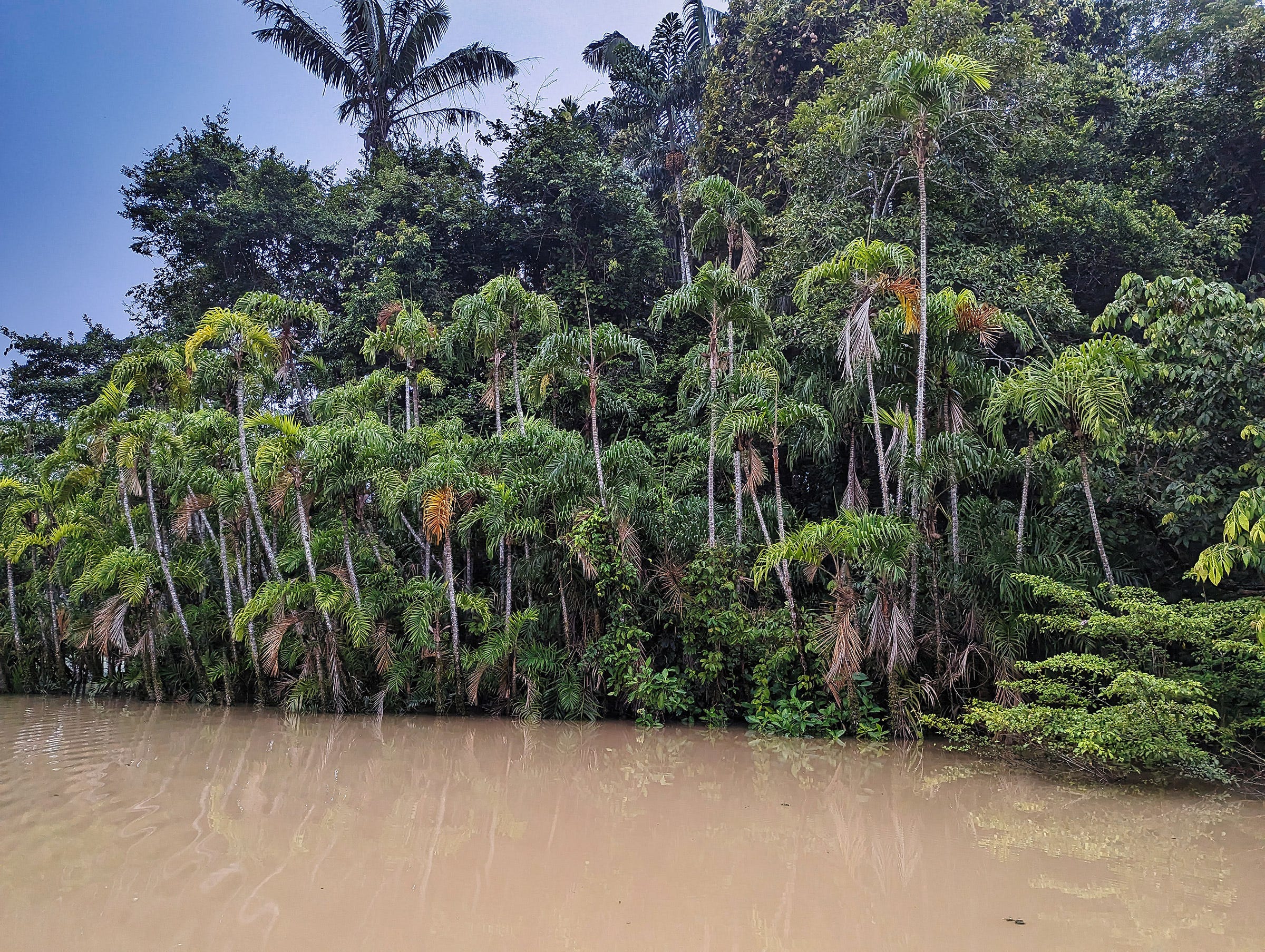
A blueprint for Amazonia-centered communications
Saving Amazonia takes more than better stories. It needs a system for telling them—one steady enough to last and flexible enough to adapt. Think of it less as a campaign and more as public infrastructure.
Start with how decisions are made. Instead of a formal editorial board, imagine a small group that brings together Indigenous and community leaders alongside editors and producers. Their role is to decide what stories get told, in which languages, and for whose benefit. That shared decision-making builds trust from the start.
Budgets also signal intent. Rather than dictating line items, funders and partners can make room for what local teams actually need, like translation, safety measures, and time to build relationships. Free, prior, and informed consent shouldn’t appear as a footnote at the end of a project; it’s part of the work itself.
Next comes audience focus. Several groups shape the forest’s fate: farmers, mayors, pastors, consumers, youth, and others. Each deserves its own approach, with messages that make sense in their world. For example, farmers tend to listen to agronomists more than activists. They respond to information about rainfall, soil health, and market access. A short bulletin from a trusted co-op leader can do more than a glossy campaign by an environmental group. If protecting trees helps keep local rain steady and avoids new trade barriers, the message becomes practical, not abstract.
Information infrastructure matters too. Data can serve the public good when shared openly—through maps, registries of concessions and titles, or dashboards that let journalists, prosecutors, and communities see the same facts. When information is accessible, coordination gets easier and corruption harder.
Getting the language right is part of the strategy itself. Portuguese and Spanish editions are essential, but so are Arawak-family and Tupi-Guarani versions that let people speak and read in their own worlds. Production should happen where the influence lies—whether that’s Lima or Leticia—and then travel outward.
Finally, measure what lasts. Page views fade. Better markers are citations in rulings, policy shifts, titled hectares, or safer defenders. Keep a record of those gains, give credit back to communities, and let the evidence feed the next round of stories.
No blueprint is final. The aim is to keep the circle wide, the feedback honest, and the focus on results. Saving the Amazon is not a contest of slogans but a test of endurance. If accurate, human stories can outlast indifference, they won’t just describe change—they’ll help make it.